10-Year Statute: DOJ Moves to Freeze Clock on Comey's Third Case
Court documents filed in October charge the former FBI director with sharing 2016 classified details with a New York Times reporter.
By Isabella Morales ·
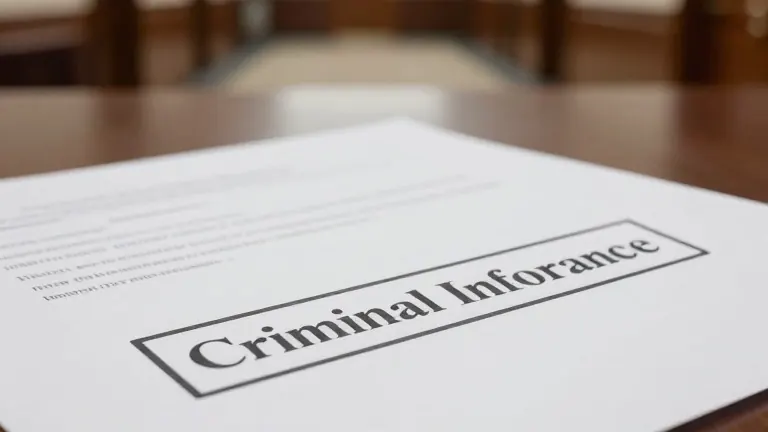
The Justice Department filed a criminal information in Washington federal court on October 5 to prevent the 10-year statute of limitations from expiring on a third potential charge against former FBI Director James Comey. The document was unsealed on Monday at the request of Comey's legal team, revealing the specific allegations behind the procedural move.
The filing accuses Comey of transmitting and conspiring to transmit national defense information. It alleges that in October 2016, he shared classified details with a reporter from the New York Times. A department spokesperson characterized the filing as a standard practice in federal court to preserve the government's right to prosecute while an investigation continues.
This latest legal development increases the pressure on Comey, who already faces two other federal charges. The Justice Department previously accused him of lying to Congress regarding media leaks and threatening President Donald Trump in a social media post. A judge dismissed the false statements case, while the threats case remains pending before a court.
Comey responded to the news on Instagram, stating that "they're back again" and referring to the Justice Department. He added, "I'm still innocent." His lawyers have filed a motion to dismiss the new case, arguing that the legal procedure is improper.
Patrick Fitzgerald, Comey's attorney, issued a statement saying the document "purports to charge Mr. Comey with crimes that he did not commit." The Justice Department declined to provide further details, describing the matter as an ongoing criminal investigation.
The next scheduled step involves the court's review of the defense's motion to dismiss. The statute of limitations for the charged offense was set to expire earlier this month, which prompted the October 5 filing to keep the case viable under federal law.
Source: The Jerusalem Post